
become a VOLUNTEER
YOU CAN MAKE A DIFFERENCE
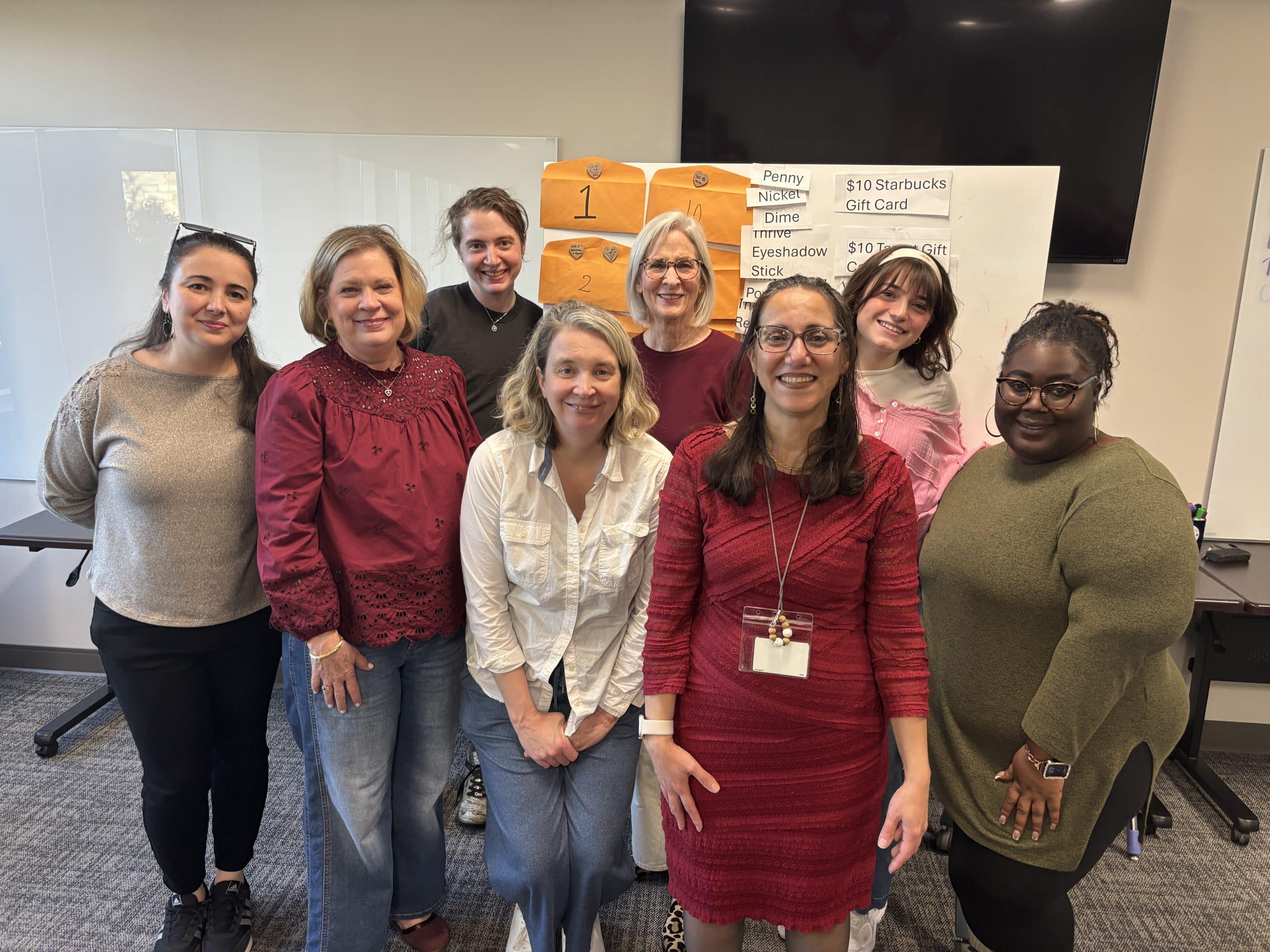
For over 55 years, volunteers have been the lifeblood of the Crisis Center. Our dedicated crisis counselors and advocates are thoroughly trained to provide the highest quality of support. What you learn doesn’t just make an impact on our lines and in our SANE clinic – these skills become a resource in your personal life and community.
Crisis Center volunteers are proud advocates for mental health awareness and harm reduction. They support people who are feeling desperate and fearful; provide crisis de-escalation and coping strategies; and share resources for ongoing support and healing.
Want to make a real impact in your community?

About Our Opportunities
CRISIS & SUICIDE LINE volunteers provide supportive, judgement-free crisis counseling to help callers sort through difficult thoughts and feelings. Although the volunteer may offer options and provide information during the problem-solving stage of this process, the goal in most cases is to assist the caller in developing their own solutions. Examples of common issues include depression, loneliness, family conflicts, and assistance with basic needs referrals.
Learn more about CSL here.
YOUTH TALK LINE volunteers provide supportive counseling to kids and teens over phone and text. Common issues may range from situational issues, like arguments with parents or anxiety about an assignment, to more serious issues like depression, drugs and alcohol use, and abusive family situations.
Learn more about YTL here.
SENIOR TALK LINE volunteers make weekly calls to seniors and their caregivers of seniors to provide social contact and support. Though seniors may need short-term supportive counseling, crisis intervention, and referrals, these calls are ultimately a social visit, and seniors and volunteers develop long-term “phone friendships.” Discussion topics can range from small observations, complaints, and anecdotes, to issues like depression, loneliness and isolation, grief, independent living, health and phase of life challenges, etc.
Learn more about STL here.
RAPE RESPONSE volunteers serve as on-call advocates for sexual assault survivors and their companions. Advocates respond to requests for medical advocacy at all Birmingham area emergency rooms and our SANE clinic, providing emotional support, answering questions, and explaining necessary procedures.
Learn more about Rape Response here.
Requirements & Responsibilities
No prior professional training is required; in fact, most volunteers do not have formal counseling education or experience. We ask that volunteers be committed, dependable, emotionally mature, and non-judgmental.
All applicants should:
- live in Alabama, with the ability to attend in-person training and shifts at the Crisis Center office
- be aged 18+ with a high school diploma or GED (Youth Talk Line volunteers may be 16+)
- not be currently receiving services from the Crisis Center, and be at least 1 year past any personal crisis experiences
- adhere to strict confidentiality requirements for all client/caller interactions
- be able to commit to at least 1 year of service after training is complete
Screening Process:
After submitting an application, you will be contacted by staff within 1-2 weeks. You can expect to complete a phone interview and an oral and/or written exercise. Background checks and references are required.
Training Process:
Training for all programs includes communication skills, counseling/support techniques, scenario-based learning, and ongoing evaluation.
- ~30 hours of training for Rape Response advocates
- ~5 hours of training for Senior Talk Line volunteers
- ~25 hours of training for Youth Talk Line counselors
- ~30 hours of training for Crisis & Suicide Line counselors
Time Commitment:
- CSL volunteers are expected to work shifts every other week between 7:30am–11:30pm. Shifts are typically 4–6 hours.
- YTL volunteers work shifts every other week, from either 3pm–6:30pm or 6:30pm–10pm.
- STL volunteers make about 3 hours worth of calls weekly, with flexible scheduling.
- Rape Response volunteers sign up for two 12-hour on-call shifts per month. A post-shift debrief with staff is required, and paperwork is due within 24 hours of working a case.
Upcoming Training
Please note that attendance at all training classes is essential, and make-up classes for absences are very difficult to arrange. Speak with your Program Coordinator before the onset of training if you believe you might have to miss any of the sessions.
Some volunteer training programs are offered on an ongoing basis; however, the majority of training is scheduled four times a year.
Next Training Dates TBD
YOU ARE NOT ALONE
For 24/7 support, dial 988 or call our local Crisis & Suicide Line at 205-323-7777.